Skip to content

Laser hair removal has become one of the most requested aesthetic treatments in the country, but many people still have only a vague idea of what actually happens during a session. Understanding the science behind it is not just interesting — it helps you make better decisions about your treatment plan and set realistic expectations. The difference between a successful course of laser treatment and a disappointing one often comes down to how well the process is understood and how carefully it is executed. Professional treatment is not simply a more expensive version of something you could do at home. It is a fundamentally different level of care, precision, and results.
Aesthetics By KM approaches every laser hair removal service with a focus on education first. When clients understand the process, they follow pre- and post-care instructions more consistently, ask better questions, and see better results.
The Science Behind Laser Hair Removal
Selective Photothermolysis: The Core Principle
The mechanism that makes laser hair removal work is called selective photothermolysis. The term breaks down simply: selective means the laser targets specific tissue, photo refers to light, thermo means heat, and lysis means destruction. Together, these describe a process in which a specific wavelength of light is absorbed by a targeted chromophore — in this case, melanin, the pigment that gives hair its color — and converted into heat energy that damages the structure it targets without significantly affecting surrounding tissue.
The laser emits a pulse of light that passes through the outer layers of skin and is absorbed by the melanin concentrated in the hair follicle. The heat generated is sufficient to disrupt the follicle’s ability to produce new hair. When the parameters are set correctly, the epidermis above is largely unaffected. This selective targeting is what makes laser hair removal both effective and — in trained hands — safe for a wide range of skin types.
Why Hair Growth Cycles Matter
Hair does not all grow at the same time. Each follicle cycles through three phases: anagen (active growth), catagen (transition), and telogen (resting). The laser is most effective during the anagen phase, when the follicle is actively producing hair and the connection between the hair shaft and the follicle bulb is strongest. At any given time, only a portion of your hair follicles are in the anagen phase — typically between 20 and 30 percent, depending on the body area.
This is why a single session treats only a fraction of your follicles, and why multiple sessions spaced several weeks apart are required. Each appointment catches a new group of follicles in their active phase. Over the course of a full treatment series, the cumulative effect is a significant and progressive reduction in hair density.
Types of Lasers Used in Professional Treatment
Not all lasers are the same, and the type used matters considerably for both safety and effectiveness. The most common laser types used in professional hair removal include the Alexandrite laser, the Diode laser, the Nd:YAG laser, and Intense Pulsed Light (IPL) systems. Each operates at a different wavelength and has different properties in terms of how deeply it penetrates the skin and how well it is absorbed by melanin.
The Nd:YAG laser, for example, operates at a longer wavelength that penetrates more deeply into the skin and is less absorbed by melanin in the epidermis, making it safer for darker skin tones. The Alexandrite laser works at a shorter wavelength that is highly effective for lighter skin tones with dark hair. A knowledgeable provider selects the appropriate device — or adjusts settings on a multi-platform system — based on your individual skin and hair profile. This is not a decision that should be made carelessly.
What Happens During a Professional Session
The Consultation and Skin Assessment
Before the first session, a professional consultation establishes your baseline. Skin tone is assessed using a standardized scale, hair color and texture are evaluated, and your medical history and current medications are reviewed. Any factors that might affect treatment safety or outcomes are identified and addressed. This step is not optional or bureaucratic — it is the foundation of a safe and effective treatment plan.
During the Treatment
The treatment area is cleansed and, depending on your sensitivity, a topical numbing agent may be applied beforehand. A cooling gel or device is used to protect the surface of the skin and improve comfort during the procedure. The laser handpiece is pressed against the skin, and pulses of light are delivered in a systematic pattern across the treatment area. Each pulse treats a small zone, and the esthetician moves methodically to ensure complete and even coverage. Clients typically describe the sensation as a quick snapping feeling followed by warmth, with modern cooling systems reducing discomfort significantly.
Aftercare and Recovery
Post-session skin typically shows mild redness and warmth, similar to a light sunburn. This resolves within hours for most clients. The treated area should be kept clean and moisturized, and sun exposure must be strictly avoided or protected with broad-spectrum SPF. Over the following one to three weeks, treated hairs shed progressively — a normal and expected part of the process. Your esthetician will advise on any specific aftercare steps based on your skin’s response.
Why Professional Treatment Gets Better Results
Energy Output and Precision
The fundamental difference between professional laser devices and consumer-grade at-home tools comes down to energy. At-home IPL and laser devices are legally required to operate at low energy levels to protect untrained users from burns and adverse reactions. Professional equipment delivers significantly higher fluence — energy per unit area — which is necessary to achieve real follicle disruption rather than surface-level reduction. Without adequate energy, hair may appear reduced temporarily but regrows at its original density within weeks.
Professional devices also offer precise control over wavelength, pulse duration, spot size, and fluence. These variables are adjusted based on your specific skin tone, hair color, and treatment area. This level of customization is simply not available with consumer products, which apply the same settings regardless of the user’s skin profile.
Trained Assessment and Adjustment
An experienced esthetician does not just operate the device — they observe how your skin responds in real time and adjust accordingly. If a particular area shows increased sensitivity, if the skin reacts differently than expected, or if your tan level has changed since the last session, a professional can modify the approach on the spot. This ongoing clinical judgment is a critical component of safe, effective treatment that cannot be replicated by following a device’s instructions at home.
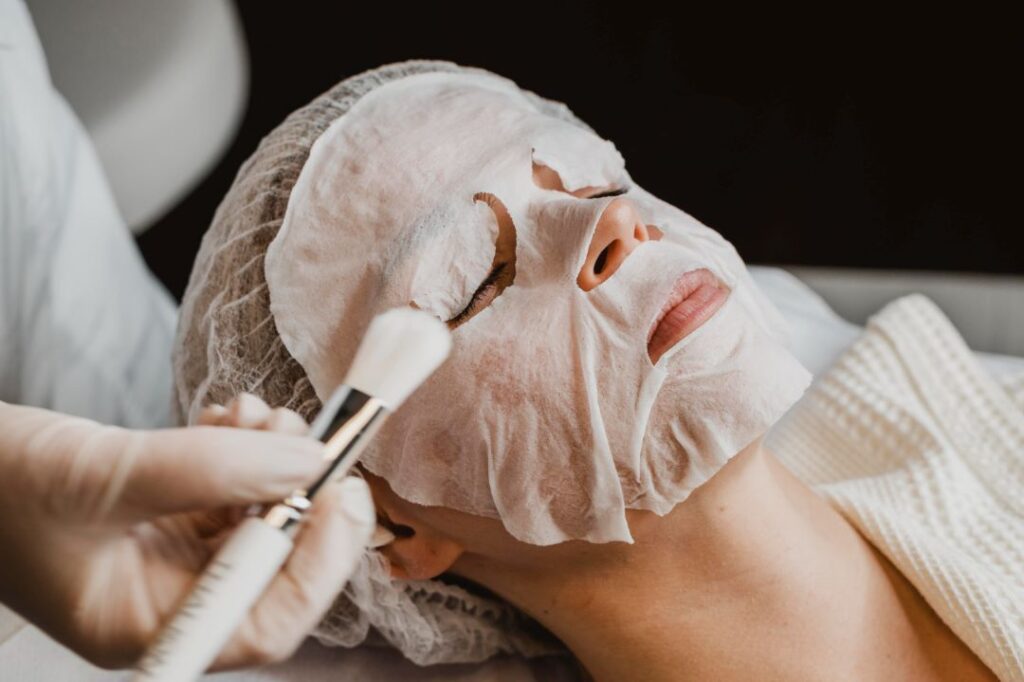
The team at Aesthetics By KM also coordinates laser services with complementary treatments. Clients receiving facial treatments alongside their laser sessions benefit from a more comprehensive approach to skin health that supports better treatment outcomes overall.
How Laser Hair Removal Works Across Different Skin Tones
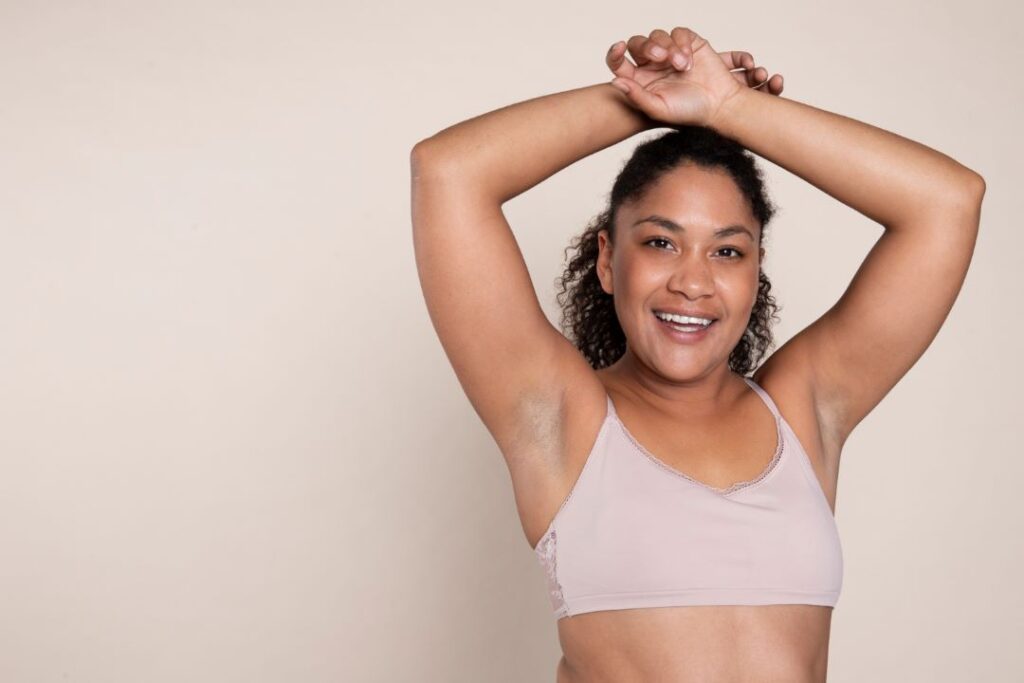
For lighter skin tones with dark hair, the high contrast between skin and hair pigment makes it easy for the laser to identify and target the follicle without risk to the surrounding epidermis. For medium and deeper skin tones, the melanin in the skin itself absorbs some of the laser energy, which requires a more careful approach. Using the wrong wavelength or too high a fluence on darker skin can cause hyperpigmentation or burns. This is precisely where professional expertise makes the difference — selecting the right laser type and calibrating it correctly for the client’s skin is a clinical skill.
Irvington’s diverse community means that providers treating local clients must be comfortable working across the full spectrum of skin tones. A studio that defaults to a single device or a one-size-fits-all protocol is not equipped to serve all clients well. The assessment-first approach at Aesthetics By KM ensures that every client receives a treatment plan calibrated to their actual skin.
What Professional Treatment Looks Like at Aesthetics By KM
Aesthetics By KM provides laser hair removal as part of a broader menu of professional skin and body services. The approach is individualized, education-focused, and attentive throughout the full treatment series. Clients preparing for major events can combine laser services with bridal packages or Glow Getters Spa Party Packages for a comprehensive experience. Whether you are treating a single small area or planning a full body treatment course, the process begins with understanding your skin and ends with results you can see.
You can find Aesthetics By KM conveniently located in Irvington — view the location on Google Maps to plan your visit.
Frequently Asked Questions: How Laser Hair Removal Works
How does laser hair removal differ from IPL?
Laser devices emit a single, focused wavelength of light, while IPL systems emit a broad spectrum of light across multiple wavelengths. Lasers can be more precisely targeted, making them generally more effective and predictable — especially for diverse skin tones. Both can be used professionally, but lasers typically offer greater control over treatment parameters.
Why does laser hair removal require multiple sessions?
Because hair grows in cycles, only a portion of follicles are in the active growth phase at any given time. The laser is most effective during this phase, so multiple sessions are needed to progressively treat all follicles as they cycle through. Spacing sessions correctly ensures each appointment targets a new group of active follicles.
Can laser hair removal work on light or fine hair?
Laser hair removal relies on melanin to absorb light energy, so very light, blonde, red, or gray hair responds less effectively than dark hair. Results are possible but may be more limited. A professional consultation will give you an honest assessment based on your specific hair and skin profile.
How does professional laser hair removal work differently from at-home devices?
Professional devices operate at significantly higher energy levels than consumer tools, with precise control over wavelength, pulse duration, and fluence. A trained esthetician also adjusts settings in real time based on how your skin responds. These factors together produce results that at-home devices, which are limited by safety regulations, cannot reliably replicate.
How does laser hair removal in Irvington work for sensitive skin?
Sensitive skin requires careful calibration of laser settings to minimize irritation. A professional consultation identifies any sensitivity factors in advance, and the esthetician adjusts the approach accordingly. Post-treatment care is also tailored to support recovery for reactive skin types.