 Skip to content

If you have been dealing with ingrown hairs for years, you have probably tried every suggested fix — exfoliating scrubs, ingrown hair serums, different waxing techniques, sharper razors, softer razors, no razors at all. And yet they keep coming back, often in the same spots, often worse after each removal session. The frustrating truth is that most of the popular remedies address the symptom rather than the cause. Real, lasting relief from ingrown hairs requires understanding what is actually happening beneath the skin — and choosing an ingrown hair treatment in Irvington that addresses the root of the problem, not just the surface.
Aesthetics By KM works with clients who have struggled with chronic ingrown hairs for years. The approach is always to treat the underlying cause, not just manage the recurring result.
What Is Actually Happening When a Hair Becomes Ingrown
An ingrown hair occurs when a hair that has been removed — or sometimes one that has simply grown — curves back on itself and re-enters the skin instead of growing outward. The body recognizes the hair as a foreign body and mounts an inflammatory response, producing the characteristic bump, redness, and sometimes painful pustule that most people are familiar with. In darker skin tones, this inflammatory response frequently leaves behind post-inflammatory hyperpigmentation — dark marks that can persist for months long after the ingrown hair itself has resolved.
The shape of the hair follicle plays a significant role. Curly or coily hair naturally grows at an angle that makes re-entry into the skin more likely, which is why ingrown hairs are more common in clients with textured hair. However, ingrown hairs affect people of all hair types, particularly in areas subjected to frequent removal — the bikini line, underarms, and legs being the most common zones. The method of removal matters enormously, and most traditional methods actively contribute to the problem.
Why Traditional Hair Removal Methods Make Ingrown Hairs Worse
Shaving
Shaving cuts the hair at an angle, leaving a sharp tip that makes it easier for the hair to pierce back through the skin as it grows. Frequent shaving also causes friction and micro-abrasions that can thicken the outer layer of skin over time, creating a physical barrier that trapped hairs cannot break through. Using a dull blade compounds the problem by tearing rather than cutting cleanly, causing the hair to grow back with an irregular edge.
Waxing
Waxing removes hair from the root, which means the new hair that grows in must travel the full length of the follicle before emerging at the surface. If the skin above is thickened, congested, or has been traumatized by repeated waxing, the emerging hair may not be able to break through cleanly. The inflammation caused by waxing itself can also contribute to skin thickening over time, gradually making ingrown hairs more frequent rather than less.
Threading
Threading is precise and effective for small facial areas, but it removes hair at the root in the same way as waxing, creating the same potential for ingrowns — particularly around the chin and jawline where hair often grows at varying angles.
Who Is Most Affected by Ingrown Hairs in Irvington
Clients with naturally curly, coily, or textured hair are statistically more prone to ingrown hairs because of the natural angle of their hair follicles. However, the diversity of Irvington’s population means that ingrown hair treatment in Irvington needs to account for a wide range of hair types, skin tones, and removal habits. Clients with darker skin tones face an additional challenge: the post-inflammatory hyperpigmentation left behind by each ingrown hair can be more pronounced and longer-lasting than in lighter skin tones, making the visual and emotional impact of the problem significantly greater.
Hormonal fluctuations also affect ingrown hair frequency. Clients with conditions like PCOS, who tend to have coarser, denser hair growth in certain areas, often find that ingrown hairs are a persistent secondary issue alongside the primary hair growth concern. Understanding the hormonal dimension of the problem is important for planning a treatment approach that actually holds.
What Ingrown Hair Treatment in Irvington Actually Looks Like
Addressing the Surface: Exfoliation and Barrier Care
The surface of the skin plays a direct role in whether emerging hairs can break through cleanly. A buildup of dead skin cells and thickened outer layers — particularly common in Irvington clients during dry winter months — traps hairs before they reach the surface. Gentle, consistent exfoliation using a mild chemical exfoliant helps keep the skin surface clear without the abrasion that physical scrubs can cause in sensitive or reactive skin.
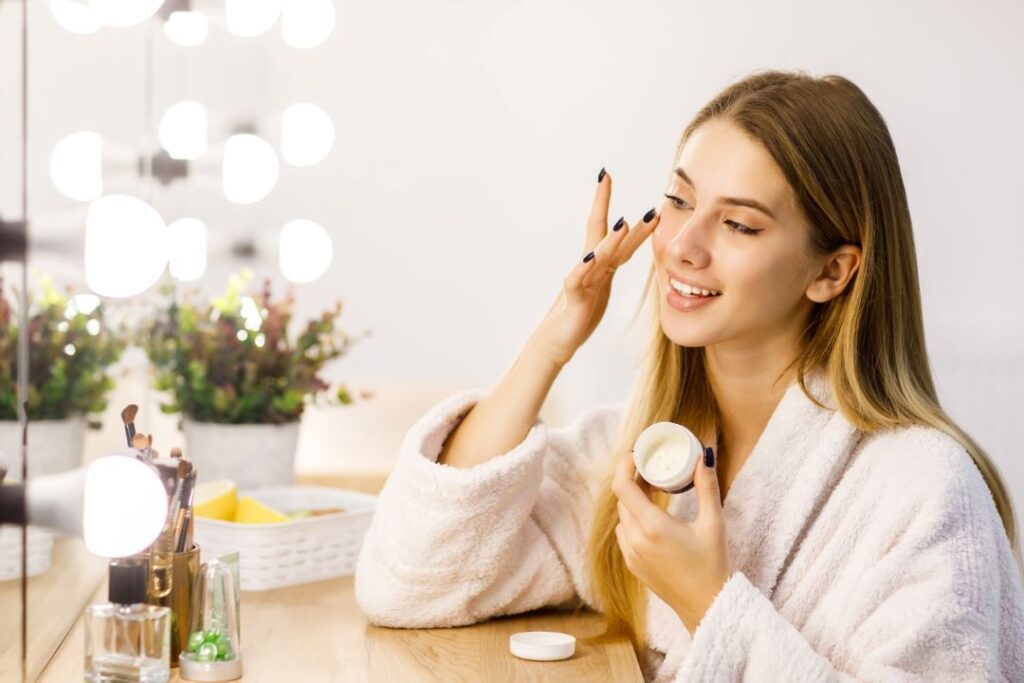
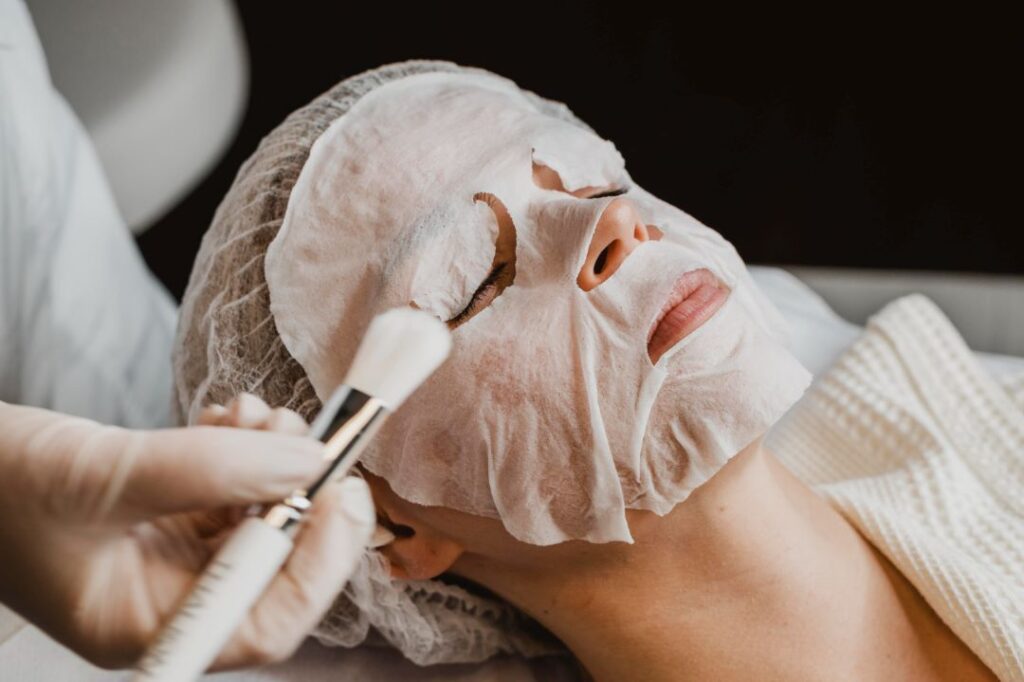
Barrier care is equally important. Skin that is well-hydrated and healthy at the surface level is more pliable and allows emerging hairs to exit the follicle more easily. Fragrance-free, barrier-supportive moisturizers used consistently between removal sessions make a tangible difference in how often ingrown hairs develop. Facial treatments that target surface congestion and skin texture can also significantly reduce the frequency of ingrown hairs in facial zones.
The Long-Term Solution: Laser Hair Removal
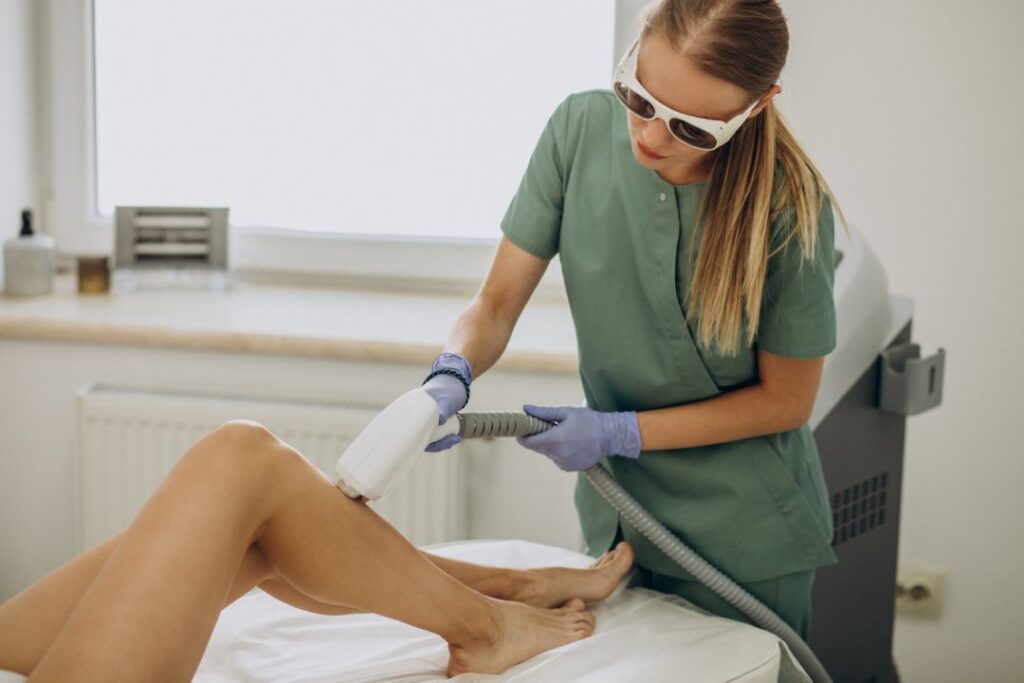
Surface treatments manage the symptom. Laser hair removal addresses the cause. By progressively disrupting the hair follicle itself, laser treatment reduces the number of hairs that need to grow back through the skin at all. Fewer hairs means fewer opportunities for ingrown hairs to develop. As hair density decreases over the course of a treatment series, ingrown hairs become progressively less frequent — and for many clients, they stop occurring almost entirely in treated areas.
Ingrown hair treatment in Irvington that incorporates laser hair removal is qualitatively different from surface-only approaches because it changes the underlying dynamic rather than simply managing recurring symptoms. Clients who have spent years treating ingrown hairs after every waxing cycle find that the laser series effectively ends the cycle altogether. The skin in previously problematic areas often improves dramatically — both in smoothness and in the resolution of residual hyperpigmentation — once the repeated trauma of removal and ingrown hair inflammation stops.
Managing Post-Inflammatory Hyperpigmentation From Ingrown Hairs
For Irvington clients with medium to deeper skin tones, the dark marks left behind by resolved ingrown hairs are often as distressing as the ingrown hairs themselves. Post-inflammatory hyperpigmentation occurs when the inflammatory response triggered by an ingrown hair stimulates excess melanin production in the surrounding skin. The resulting marks can persist for months, particularly without targeted treatment.
Consistent, diligent sun protection is the most important step in preventing hyperpigmentation from deepening. UV exposure stimulates melanin production and can significantly darken existing marks. A broad-spectrum SPF applied daily to affected areas slows this process considerably. Brightening ingredients — such as niacinamide and azelaic acid — can help fade existing marks over time when incorporated into a consistent skincare routine. Your esthetician can recommend a targeted approach based on your skin tone and the severity of existing marks during your consultation.
Combining Treatments for the Best Results
A Coordinated Approach
The most effective approach to chronic ingrown hairs combines laser hair removal with appropriate surface care and, where needed, targeted treatment for existing hyperpigmentation. Laser reduces the root cause — hair growth and the repeated trauma of removal. Surface exfoliation and barrier care manage skin texture between sessions. Brightening and protective skincare address existing marks. Together, these elements produce results that no single approach achieves on its own.
Body treatments that focus on skin smoothness and hydration complement the laser process for clients dealing with ingrown hairs on the legs, back, or bikini area. For facial ingrown hairs, coordinated facial treatments can target surface congestion and post-inflammatory pigmentation simultaneously. The team at Aesthetics By KM can help build a coordinated plan that addresses all dimensions of the problem.
Frequently Asked Questions: Ingrown Hair Treatment in Irvington
Why do my ingrown hairs keep coming back even after treatment in Irvington?
Surface treatments like exfoliation serums and topical products manage the symptom without changing the underlying cause — the repeated removal of hair from a follicle that continues to produce it. Ingrown hair treatment in Irvington that includes laser hair removal addresses the root cause by progressively reducing hair growth, breaking the cycle of removal, inflammation, and recurrence.
Is ingrown hair treatment in Irvington different for textured or curly hair?
Yes. Curly and coily hair grows at angles that make re-entry into the skin more likely, so clients with textured hair often need a more targeted approach. Laser hair removal is particularly effective for this hair type because the hair tends to be dark and coarse, making it highly responsive to laser energy. A professional consultation will account for your specific hair texture in the treatment plan.
Can laser hair removal help with dark marks left by ingrown hairs in Irvington?
Laser hair removal stops the cycle of ingrown hair inflammation that creates new hyperpigmentation. Existing marks fade more easily once the inflammatory trigger is removed. Targeted brightening skincare and consistent sun protection support the fading process. Your esthetician can recommend specific products suited to your skin tone.
How long does it take for ingrown hair treatment in Irvington to show results?
Surface treatments can reduce new ingrown hairs within a few weeks of consistent use. Laser hair removal produces progressive results over a series of sessions — most clients notice a significant reduction in ingrown hairs by their third or fourth session as hair density decreases. Full results develop over the complete treatment series.
What should I avoid to prevent ingrown hairs between laser sessions in Irvington?
Avoid waxing, plucking, and threading in areas being treated with laser. Shave carefully with a clean, sharp blade and follow with a gentle moisturizer. Keep the skin surface exfoliated and hydrated, and avoid picking or squeezing existing ingrown hairs, which worsens inflammation and increases hyperpigmentation risk.
Pingback: Does Laser Hair Removal Hurt? What to Expect During Treatment