Skip to content

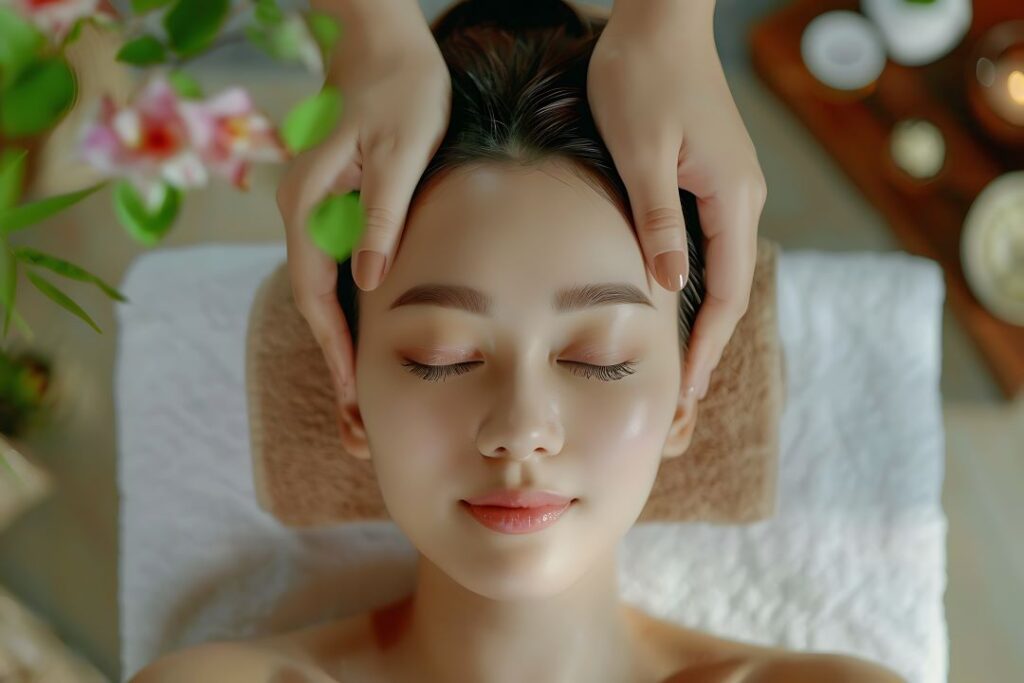
Korean skincare is renowned for its holistic approach, and facial massage plays a vital role in this ritual. Beyond products and serums, Korean facial massage techniques help activate the skin’s natural healing processes, encouraging blood flow, reducing puffiness, and enhancing your overall glow — all without invasive treatments.
The Science Behind Korean Facial Massage
Facial massage works by stimulating lymphatic drainage and improving circulation beneath the skin’s surface. This increased blood flow delivers oxygen and nutrients to skin cells, promoting faster regeneration and a brighter complexion. In Korean skincare, massage is often paired with hydrating essences or oils to reduce friction and help nutrients absorb more effectively.
Common Korean Massage Techniques
One of the most popular methods is lymphatic drainage massage, which uses gentle, sweeping motions to remove toxins and excess fluid. Another technique, acupressure massage, focuses on stimulating key facial points to release tension and tone facial muscles. Koreans also use upward and outward motions to lift and firm the skin, preventing sagging over time.
Benefits Beyond Glow
Regular Korean facial massages do more than enhance radiance. They help relieve jaw tension, minimize puffiness, and even improve product absorption. Many people notice a natural lifting effect and improved elasticity with consistent practice — all contributing to a youthful, refreshed appearance.
How to Incorporate Facial Massage Into Your Routine
You don’t need to visit a spa to experience these benefits. Begin with clean hands and a nourishing oil or serum, then gently massage your face for 5–10 minutes daily. Focus on upward strokes along your cheeks and jawline, light tapping around the eyes, and circular motions across the forehead.
Experience the Korean Way to Radiant Skin
Korean facial massage is more than just a skincare step — it’s an act of self-care that connects relaxation with results. By combining mindful technique with nourishing Korean products, you can achieve naturally radiant, healthy skin from within.
FAQs About Korean Facial Massage Techniques
1. What is a Korean facial massage, and how is it different from regular facial massage?
A Korean facial massage focuses on stimulating blood circulation and lymphatic drainage using specific upward and outward motions. Unlike regular massages that primarily target relaxation, Korean techniques aim to enhance skin tone, reduce puffiness, and improve product absorption for a radiant complexion.
2. How often should I do a Korean facial massage?
You can perform a gentle Korean facial massage daily, especially during your evening skincare routine. For deeper techniques that involve firm pressure, two to three times a week is ideal to avoid overstimulation.
3. Do I need special tools for Korean facial massage
While you can use your hands, tools like jade rollers or gua sha stones are commonly used in Korean skincare. These tools help boost circulation, contour the face, and enhance product penetration.
4. Can Korean facial massage help with wrinkles or sagging skin?
Yes. Regular massage improves elasticity by stimulating collagen production and toning facial muscles. Over time, this can soften fine lines and create a naturally lifted appearance.
5. Should I apply skincare products before or after the massage?
Always apply a lightweight oil, serum, or essence before massaging. This prevents friction and helps the skin absorb nutrients more efficiently. You can follow up with moisturizer afterward to lock in hydration.
6. Is Korean facial massage suitable for all skin types?
Yes, but the technique should be adjusted to your skin’s sensitivity. For example, those with acne-prone or sensitive skin should use lighter pressure and gentle motions to avoid irritation.
7. How long should a Korean facial massage last?
A basic session takes about 5 to 10 minutes. For more detailed routines or if you’re using tools, you can extend it up to 15 minutes — just be sure not to overwork the skin.
8. Can I combine Korean facial massage with other treatments?
Absolutely. It complements other skincare treatments like sheet masks or serums by improving absorption and circulation, making your entire skincare routine more effective.