Skip to content


Building a skincare routine can feel overwhelming. With so many cleansers, serums, moisturizers, exfoliants, and trending ingredients available, it is easy to wonder which products you really need. You may have tried several routines without seeing the results you expected, or perhaps your skin seems to change depending on the season, weather, or stress level.
The truth is that an effective skincare routine does not need to include ten different products. It needs to include the right products for your skin type, address your main concerns, and remain consistent enough for you to understand how your skin responds.
Oily skin has different needs from dry skin. Sensitive skin may require a simpler approach, while combination skin often needs a balance between hydration and oil control. Understanding these differences is the first step toward building a routine that supports healthier-looking skin.
At Aesthetics by KM, clients in Irvington, NY, can explore personalized facials and professional skincare treatments tailored to their individual needs. This guide explains how to identify your skin type, choose suitable products, and create a practical morning and evening routine.
Why Does Your Skin Type Matter When Building a Skincare Routine?
Not every skincare product works equally well for every person. A rich moisturizer that feels comfortable on dry skin may feel too heavy on oily skin. A strong exfoliating product may help some people with congestion but cause irritation for someone with a sensitive skin barrier.
Your skin type helps determine which product textures, ingredients, and routines may be appropriate.
Choosing products according to your skin’s needs can help you:
Maintain hydration: Suitable moisturizers help reduce dryness and support the skin’s natural moisture barrier.
Manage excess oil: The right cleanser and lightweight moisturizer can help oily skin feel more comfortable without excessive stripping.
Support clearer-looking skin: Appropriate ingredients may help improve the appearance of clogged pores and occasional breakouts.
Reduce unnecessary irritation: A simple routine can help you avoid combining too many potentially irritating products.
Maintain a more balanced complexion: Consistent cleansing, moisturizing, and sun protection support everyday skin care.
The goal is not to make your skin look completely different. It is to understand what it needs and build a routine that supports its condition over time.
Step 1: Identify Your Skin Type
Before buying new products, spend some time understanding your skin. Although skin concerns can overlap, most people generally identify with one of five categories: normal, oily, dry, combination, or sensitive.
Normal Skin
Normal skin generally feels balanced. It is not consistently too oily or too dry, and it may have relatively few noticeable areas of congestion or flaking.
This does not mean normal skin never experiences breakouts, dryness, or sensitivity. Your skin can still respond to weather changes, hormonal fluctuations, and different products.
A simple routine with a gentle cleanser, moisturizer, and daily sunscreen is a good starting point.
Oily Skin
Oily skin produces more sebum, the natural oil that helps protect and lubricate the skin. You may notice a shiny appearance, particularly around the forehead, nose, and chin.
Other common characteristics include:
Visible or enlarged-looking pores.
Frequent blackheads or clogged pores.
A shiny appearance throughout the day.
A tendency toward certain types of breakouts.
Oily skin still needs hydration. Avoid assuming that removing every trace of oil is the best solution. Overly aggressive cleansing can leave your skin feeling tight and uncomfortable.
Dry Skin
Dry skin may feel tight, rough, flaky, or uncomfortable. It can sometimes appear dull and may become more noticeable during colder weather or when indoor heating reduces environmental humidity.
People with dry skin may benefit from gentle cleansing and moisturizers designed to help maintain hydration.
Look for products containing ingredients such as glycerin, hyaluronic acid, and ceramides, provided they are suitable for your skin.
Combination Skin
Combination skin has characteristics of more than one skin type. A common pattern is an oily forehead, nose, and chin, combined with normal or dry cheeks.
This can make product selection challenging because one product may feel suitable for one area but too heavy or too drying for another.
A balanced routine with gentle cleansing and lightweight hydration can be a useful starting point. You may also adjust moisturizer application depending on how different areas of your face feel.
Sensitive Skin
Sensitive skin can react easily to certain ingredients, fragrances, environmental changes, or skincare treatments. Common experiences include redness, itching, burning sensations, or irritation.
People with sensitive skin often benefit from keeping their routine simple and introducing new products gradually.
Look for gentle, fragrance-free formulations where appropriate, and avoid adding multiple strong active ingredients at once. If you experience persistent irritation or a skin reaction, consult a qualified healthcare professional.
Step 2: Build a Simple Morning Skincare Routine
Your morning skincare routine should focus on cleansing when needed, hydration, and protecting your skin from daily environmental exposure.
You do not need an extensive collection of products to establish a consistent routine. Start with the basics and add other products only when there is a clear reason to use them.
1. Cleanse Your Face Gently
A cleanser helps remove excess oil, sweat, and residue from your skin. Choose one according to your skin type.
For oily skin, a gentle gel cleanser may feel comfortable. For dry or sensitive skin, a mild cream or lotion cleanser may be a better choice.
Avoid harsh scrubbing or using very hot water. Your face should feel clean and comfortable after cleansing, not tight or stripped.
2. Apply a Suitable Serum if Needed
A serum can help address a specific skincare concern. However, it is not essential for every routine.
Depending on your skin and goals, you may consider:
Hyaluronic acid: Helps attract and retain moisture, making it a popular ingredient in hydrating products.
Vitamin C: An antioxidant commonly used to support a brighter-looking complexion and help protect against environmental oxidative stress.
Niacinamide: Often used to support the skin barrier and improve the appearance of uneven tone and excess oil.
Introduce one serum at a time and follow the product’s instructions. More active ingredients do not automatically mean better results.
3. Apply Moisturizer
Moisturizer helps reduce water loss and supports the skin barrier. Even oily skin benefits from an appropriate moisturizer.
Consider lightweight lotions or gel creams if your skin tends to feel oily. If your skin is dry, you may prefer a richer cream that provides more lasting comfort.
Apply moisturizer evenly and adjust the amount according to how your skin feels.
4. Finish with Broad-Spectrum Sunscreen
Sunscreen is one of the most important steps in a daytime skincare routine. Daily sun exposure contributes to premature skin aging, uneven pigmentation, and other forms of skin damage.
Choose a broad-spectrum sunscreen with SPF 30 or higher. Apply it generously to exposed areas and reapply according to the product directions, particularly after swimming, sweating, or extended outdoor exposure.
Remember that sunscreen is important throughout the year, not only during summer or on particularly sunny days.
Step 3: Build an Effective Evening Skincare Routine
Your evening routine is an opportunity to remove the day’s buildup and apply products suited to your skin goals.
1. Remove Makeup and Sunscreen
If you wear makeup or water-resistant sunscreen, begin by removing it with a suitable makeup remover or cleansing product.
Some people prefer double cleansing, which involves using an oil-based cleanser or cleansing balm followed by a water-based cleanser. This can be useful for removing makeup and sunscreen, provided the products suit your skin.
2. Cleanse Your Skin
Follow with a gentle cleanser to remove remaining residue, sweat, and impurities.
Avoid washing repeatedly or scrubbing aggressively. Excessive cleansing can leave your skin feeling dry and irritated.
3. Apply Targeted Treatments
Evening is a common time to use certain skincare ingredients, including retinoids and exfoliating products. However, these ingredients should be introduced carefully.
Retinoids are commonly used to address concerns such as uneven texture and visible signs of aging. Exfoliating acids, including AHAs and BHAs, may help improve the appearance of roughness and congestion.
Do not start several active ingredients at the same time. Using too many strong products can increase the likelihood of irritation, dryness, and sensitivity.
If you are new to these ingredients, seek professional guidance about which products are appropriate and how frequently to use them.
4. Moisturize Before Bed
Finish your routine with a moisturizer that suits your skin type. This helps maintain hydration and supports the skin barrier overnight.
If your skin feels dry or tight, a richer moisturizer may be helpful. If you have oily or combination skin, choose a texture that feels comfortable without leaving a heavy finish.
Step 4: Choose Ingredients Based on Your Skin Concerns
Once you have established a basic routine, you can consider ingredients that target specific concerns. The best choice depends on your skin type, current condition, and tolerance.
For Oily and Congested Skin
If your skin becomes shiny quickly or you regularly experience clogged pores, look for products designed to manage excess oil without stripping the skin.
Ingredients commonly used in these routines include:
Salicylic acid: A beta hydroxy acid that can help exfoliate inside oil-prone pores and improve the appearance of congestion.
Niacinamide: Often included in products designed to support the skin barrier and improve the appearance of uneven texture.
Lightweight moisturizers: Hydrating formulas can help maintain skin comfort without an overly heavy feel.
Start gradually with exfoliating ingredients, particularly if you are also using other active products.
For Dry and Dehydrated Skin
Dry skin generally needs a focus on gentle cleansing, hydration, and barrier support.
Ingredients worth exploring include:
Hyaluronic acid: Helps attract moisture to the skin.
Glycerin: A humectant that helps draw water into the outer layers of the skin.
Ceramides: Lipids that help support the skin barrier.
Emollients: Ingredients that help soften the skin and improve its feel.
Try to avoid excessive exfoliation and harsh cleansers that can make dryness more noticeable.
For Sensitive Skin
Sensitive skin often responds better to a simple routine with fewer potential irritants.
Consider gentle cleansers, fragrance-free moisturizers, and products designed to support the skin barrier. Avoid introducing several new products at once.
Patch testing a new product before applying it more widely can help identify potential reactions, although it cannot guarantee that irritation will not occur.
For Uneven Skin Tone and Dark Spots
Uneven pigmentation can develop for several reasons, including sun exposure and previous inflammation. A consistent routine with daily sunscreen is an important starting point.
Depending on the concern, ingredients such as vitamin C, niacinamide, or certain exfoliating products may help improve the appearance of uneven tone.
Persistent or changing pigmentation should be assessed by a qualified healthcare professional. Not every dark spot is a simple cosmetic concern.
For Fine Lines and Visible Signs of Aging
A skincare routine for mature or aging skin should prioritize hydration, sun protection, and ingredients selected according to individual tolerance.
Retinoids are commonly used in routines targeting fine lines and uneven texture. Moisturizers help maintain hydration, while sunscreen helps reduce ongoing UV-related skin damage.
Introduce active ingredients gradually and avoid using products that leave your skin persistently irritated.
Step 5: Understand What Not to Do in Your Skincare Routine
Sometimes improving your skincare routine is less about adding products and more about removing habits that may be working against your skin.
Avoid Using Too Many Active Ingredients at Once
Combining retinol, exfoliating acids, strong vitamin C formulations, and other active products without a plan can increase irritation.
Introduce new products one at a time and pay attention to how your skin responds.
Do Not Over-Exfoliate
Exfoliation can help remove dead surface cells, but doing it too frequently may compromise the skin barrier and lead to redness, dryness, or sensitivity.
Follow product directions and adjust your routine if your skin becomes irritated.
Do Not Skip Moisturizer Because Your Skin Is Oily
Oily skin still needs hydration. Skipping moisturizer entirely may leave the skin feeling uncomfortable and can make it harder to maintain a balanced routine.
Do Not Change Your Entire Routine Every Week
Switching products constantly makes it difficult to understand what is helping and what may be causing irritation.
Give a simple routine time to work, unless a product causes a reaction or a professional advises you to stop using it.
Never Treat Sunscreen as Optional
Even an expensive serum or professional facial cannot replace daily sun protection. Make sunscreen a consistent part of your morning routine.
How Often Should You Get a Professional Facial?
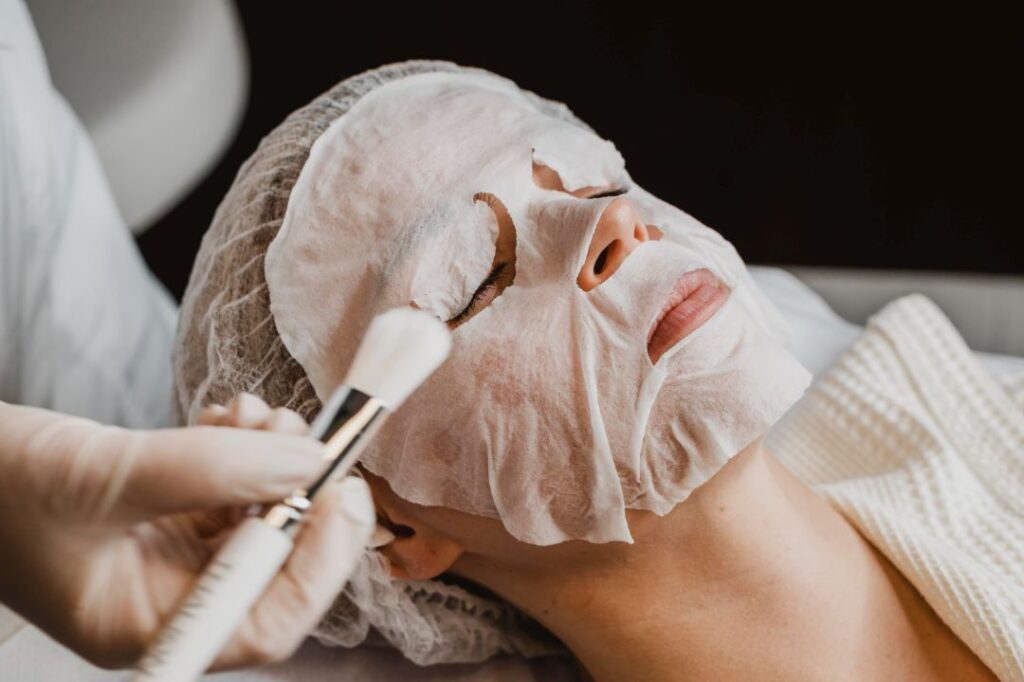
At-home skincare is essential, but professional facials can provide additional support through treatments selected according to your skin’s condition and goals.
Aesthetics by KM offers personalized facial treatments that may include cleansing, exfoliation, extractions when appropriate, masks, serums, and hydration.
For many people, a facial every four to six weeks can be a useful starting point. However, the right schedule depends on your skin type, concerns, treatment history, and the specific service being performed.
Professional treatments available at Aesthetics by KM include options such as:
Deep cleansing facials: Designed to cleanse the skin and address surface buildup and congestion.
Acne-focused facials: Selected for clients who want professional support for acne-prone or congested skin.
Hydrating facials: Focus on moisture and skin comfort, particularly for dry or dehydrated skin.
Brightening treatments: Selected to improve the appearance of dullness and uneven-looking skin tone.
Dermaplaning and hydrodermabrasion: Professional exfoliating approaches that may be considered according to individual skin needs.
Chemical peels and Green Sea Peel: More specialized exfoliating treatments that require appropriate assessment and aftercare.
Not every treatment is suitable for every skin type. A professional skin analysis can help determine which option is appropriate and whether a gentler treatment would be a better starting point.
How to Know When Your Skincare Routine Needs Adjusting
Your skin’s needs can change over time. A routine that works well in one season may feel too heavy or too drying in another.
Pay attention to changes such as:
Persistent tightness or flaking after cleansing.
Increased oiliness throughout the day.
New or worsening breakouts.
Redness, itching, or burning after applying products.
Changes in texture or sensitivity.
Dryness during colder months or after spending time in air-conditioned environments.
These changes may indicate that your products or routine need adjusting. If irritation is persistent, painful, or accompanied by a rash, seek advice from a qualified healthcare professional rather than repeatedly experimenting with new products.
Frequently Asked Questions About Skincare Routines
What is the best skincare routine for beginners?
A simple beginner routine includes a gentle cleanser, moisturizer, and broad-spectrum SPF 30 or higher during the day. In the evening, cleanse your skin and apply moisturizer. Once you understand how your skin responds, you can consider adding targeted products for specific concerns.
How do I know what my skin type is?
Observe how your skin feels after gentle cleansing and throughout the day. Oily skin often develops shine, dry skin may feel tight or flaky, and combination skin usually has both oily and dry areas. Sensitive skin may react easily to certain products or environmental changes.
Can I use the same skincare products in the morning and at night?
Some products, such as cleansers and moisturizers, can be used in both routines. However, morning skincare should include sunscreen, while certain targeted treatments are commonly used in the evening according to their instructions.
How long does it take to see results from a skincare routine?
The timeline depends on the products and the concern being addressed. Hydration may improve how your skin feels relatively quickly, while changes in acne, uneven tone, or texture may take several weeks or longer. Consistency is important, but stop using products that cause significant irritation.
Should oily skin use moisturizer?
Yes. Oily skin still needs hydration. Choose a lightweight moisturizer that feels comfortable and does not leave your skin excessively greasy.
Is exfoliation necessary for every skin type?
Not necessarily. Some people benefit from gentle exfoliation, while others may become irritated by it. The appropriate method and frequency depend on your skin condition, sensitivity, and other products in your routine.
Can professional facials replace my daily skincare routine?
No. Professional facials can complement your routine, but they do not replace daily cleansing, moisturizing, and sun protection. Consistent home care remains important between appointments.
How often should I change my skincare products?
You do not need to change products regularly if your routine is working well. Consider adjusting your products when your skin’s needs change, a product no longer suits you, or a professional recommends a different approach.
Can a facial help me find the right skincare routine?
A personalized facial appointment can help you better understand your skin’s current condition and discuss suitable treatments and homecare options. Aesthetics by KM customizes facial treatments according to individual skin needs and concerns.
Build a Skincare Routine That Works for Your Skin
The most effective skincare routine is not necessarily the most complicated or expensive one. It is the routine that suits your skin type, addresses your concerns, and fits comfortably into your everyday life.
Start with the essentials: gentle cleansing, appropriate hydration, and daily sunscreen. Introduce targeted ingredients gradually, avoid unnecessary irritation, and adjust your routine as your skin changes.
If you are unsure where to begin, professional guidance can help you understand your skin’s needs and explore treatments that complement your homecare routine.
At Aesthetics by KM, clients can explore personalized facial and skincare treatments in Irvington, NY, including options for acne-prone, dry, dull, and aging skin.
Take a thoughtful approach to your skincare, stay consistent with the basics, and give your skin the attention it deserves. Healthy-looking skin is built through informed choices and habits you can maintain over time.